

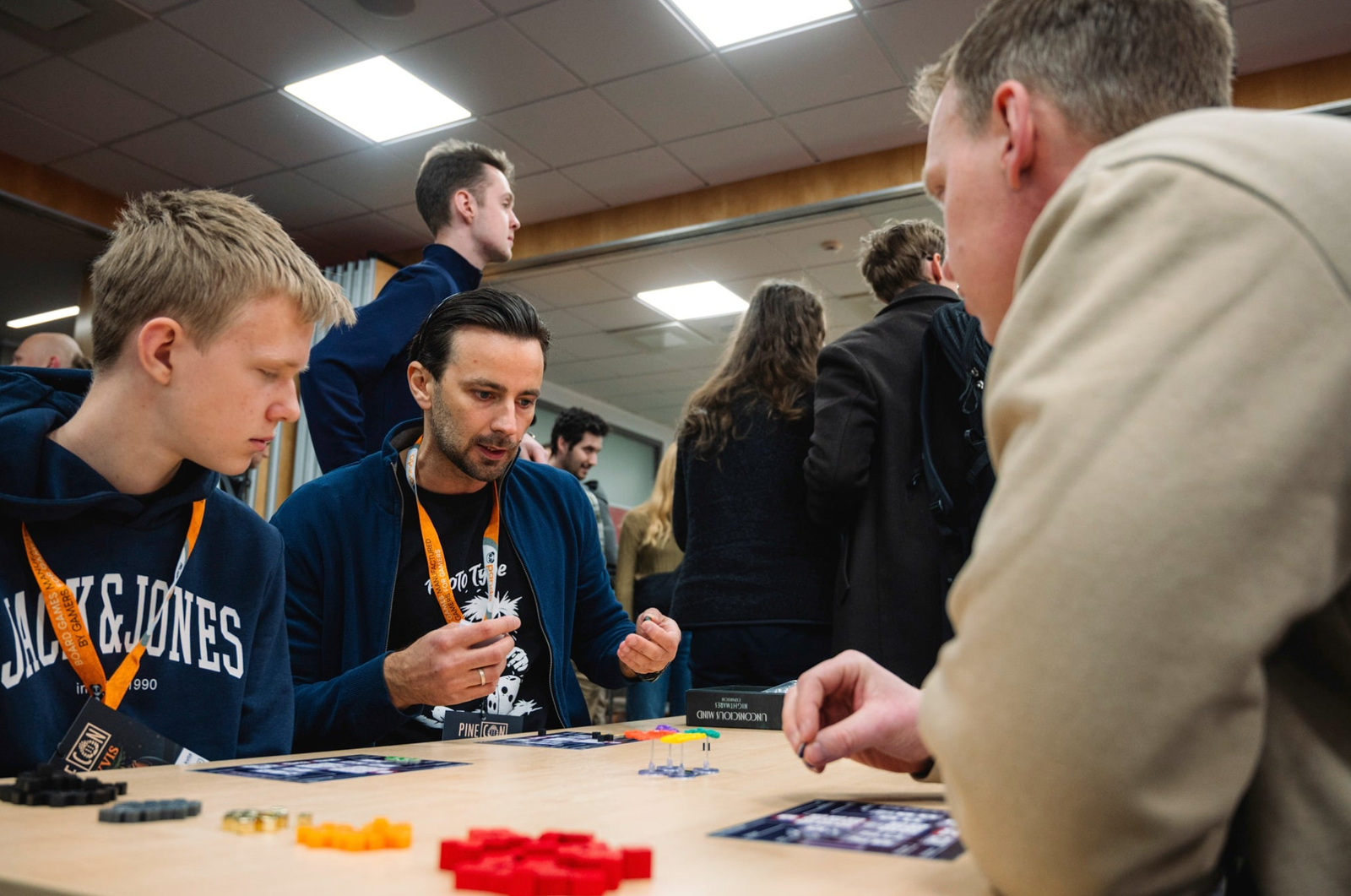
On October 11, the 36th Speculative Fiction Festival “Lituanicon” swept through and left some warm impressions. Visitors could enjoy an open world of personal freedom and creativity. Even more delightful was meeting young fans of the fantasy along with their parents, who dove headfirst—without questions or hesitation—into the world of multi-genre board games.
Launching the “Lithuanian Board Game Designers” column, I’m happy that this year’s “Lituanicon” winner—as well as the winner of many other contests and festivals—Andrėjus Avchimovičius agreed to be the first guest. In a brief interview, he shares thoughts on his creative path.
Happy reading.
Petras Šimonis, founder of “Physical Mind Games”
Briefly tell us what led you into the world of board-game design.
I’ve always loved playing games. Since childhood, video games fascinated me with their mechanics and crafted worlds, where I could be a police officer in zombie-ridden Raccoon City or wander completely alone in Silent Hill. I remember daydreaming that I’d love to create video games, but I didn’t have programming skills. Quite late—second year of university—I got to try modern board games (“Citadels” and “Catan”), and I really liked them. I noticed that fairly complex models can be transferred onto paper and work great;
I started thinking that I, too, could try to create something similar, since you don’t need programming knowledge. But studies and my first jobs at the same time didn’t allow me to devote the necessary hours, and I only started creating after graduation. My first attempts were terrible and hard to play, but they brought me together with Valerijus Selivanovas and Tadas Kastanauskas—people who started designing games at exactly the same time and understood a beginner designer’s problems. Over time our acquaintance turned into the Vilnius board-game designers’ guild “PROTOTIPAS.”
The ancient Greeks used the word techne to describe craftsmanship. Literally, it could be translated as “practical knowledge of making.” Since you’ve been designing games for many years, do you feel you’ve found a personal technique for creating games? If so, could you share what you know you’ve discovered—or at least sensed?
My many years of board-game design experience show that the term techne is 100% apt. It’s the practice of making a board game that leads to a good board game. Ideas in your head are vastly overrated. Putting them on paper is the hardest step. Early on, I would put ideas on paper and only one out of ten would sort of work. Over many years I’ve reached the point where every second or third idea turns into a working prototype. And the contests I’ve won confirm this.
In Lithuania, I know people who publish their own board games. I know them all well and often meet them at the club or at events to test our prototypes. And they do this constantly—dozens or hundreds of times. That’s yet another proof that only by practicing do you gain enough experience to eventually finish a game.

You recently won the 2025 “Lituanicon” prototype contest. How long was the game’s journey—from the first attempts to the current stage? What makes this game special to you personally?
I have a “secret” board-game design schedule—moving from one contest to the next. Each year I try to take part in two contests in Lithuania and three contests worldwide; I often submit the same prototype to almost all of them. They happen regularly, so as soon as one contest ends, I check which one is coming up next.
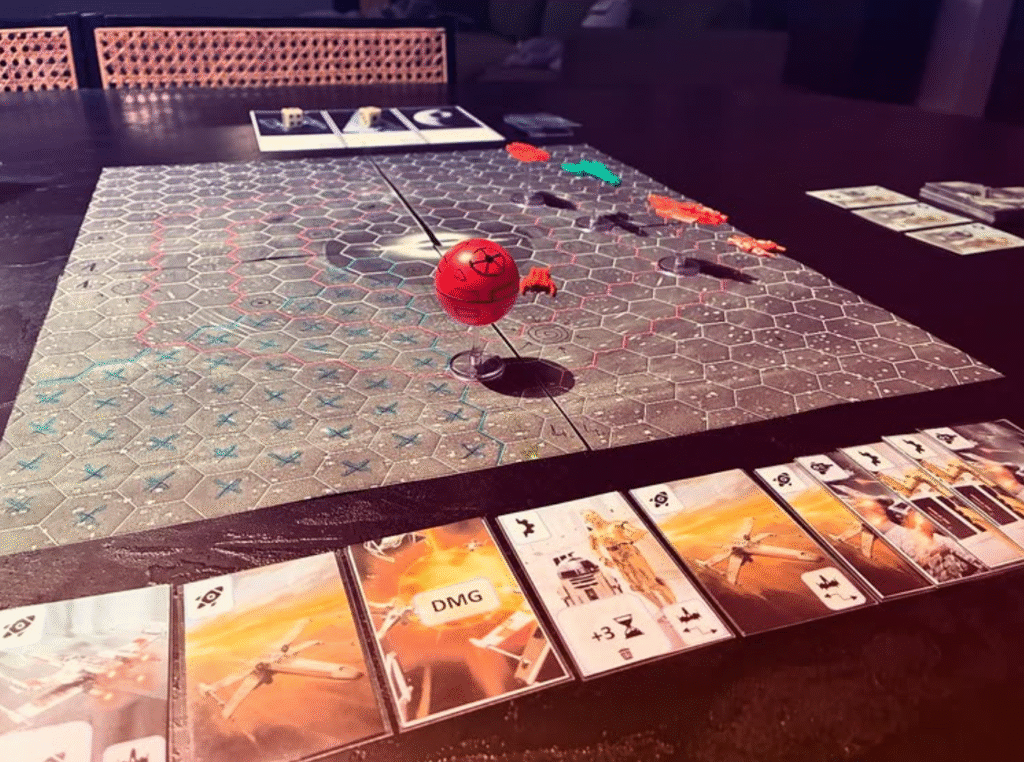
So I started preparing for “Lituanicon’s” contest in April, just after “PineCon” ended. Since I didn’t have a space-themed prototype, I started brainstorming. I really love time-travel themes and often use a time element in my prototypes. And space with a black hole and differing flows of time fits perfectly. So the core idea was clear—and the search for the main mechanic began. To that end I quickly made two small prototypes that tested only the core mechanic and took them to the club. It quickly became clear which mechanic was more interesting, and I continued developing the game with that one. Later I tried that mechanic in various versions. A week before the contest, the search for variations ended; I put the idea on paper and intensively tested the version that ended up winning the contest. To sum up, the creation process for this prototype was:
A. Quickly transferring two or three ideas to paper and running first tests.
B. Constant testing—refining the selected mechanic with different people.
C. The final decision—board-game experience that helped me choose the most useful playtesters’ notes and suggestions.
You’re in close contact with other designers and their work; you analyze a lot and help others improve their prototypes. After so many tests and so much analysis, do you still see value in working on other people’s prototypes? Do you learn a lot from others?
Oh yes! And not only for selfish reasons. The vision of the “PROTOTIPAS” guild has been—and always will be—to help grow the board-game designers’ community. I’m very happy to share my insights about a prototype I’ve tested—if I see the game improve next time, I feel I’ve done a good deed. I also want to stress that you learn not only from other people’s prototypes, but also by playing published games with different people.
Becoming better
We have a project called “As Long as You Play, You Stay Young,” where we teach seniors to play board games. From that I also learn which mechanics are easy to grasp and which are more difficult. All that knowledge settles in your head. My head is full of ideas on how to make a game elegant—so there are no duplicate actions, no boggy moments, and so on. That’s a whole separate topic, but you only start thinking about it after trying out lots of other people’s prototypes.
I’m very happy I had the chance to attend a board-game designers’ camp in Poland (about 100–150 designers from all over Europe participate). It was there that I took my skills and experience as a playtester to the next level. I recommend it to everyone—and for those who can’t make it to Poland, join the Lithuanian “Protokempas” camp.
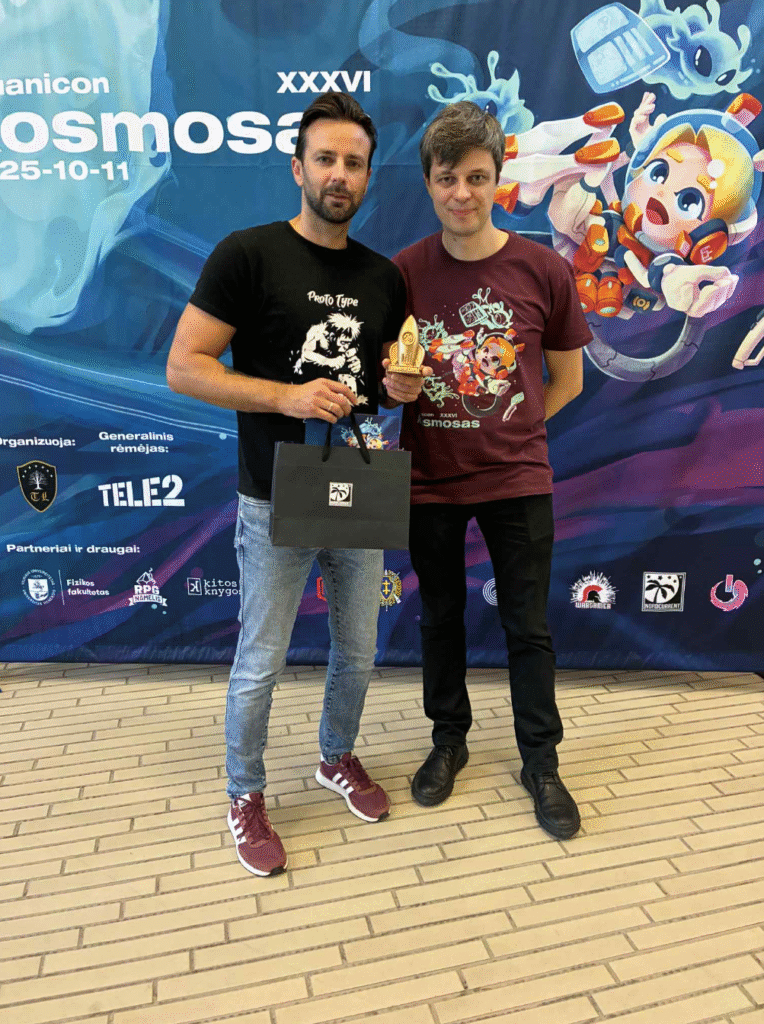
Andrejus Avchimovičius
Thanks for reading! Continue with our other posts: Field Notes
Leave a Reply