

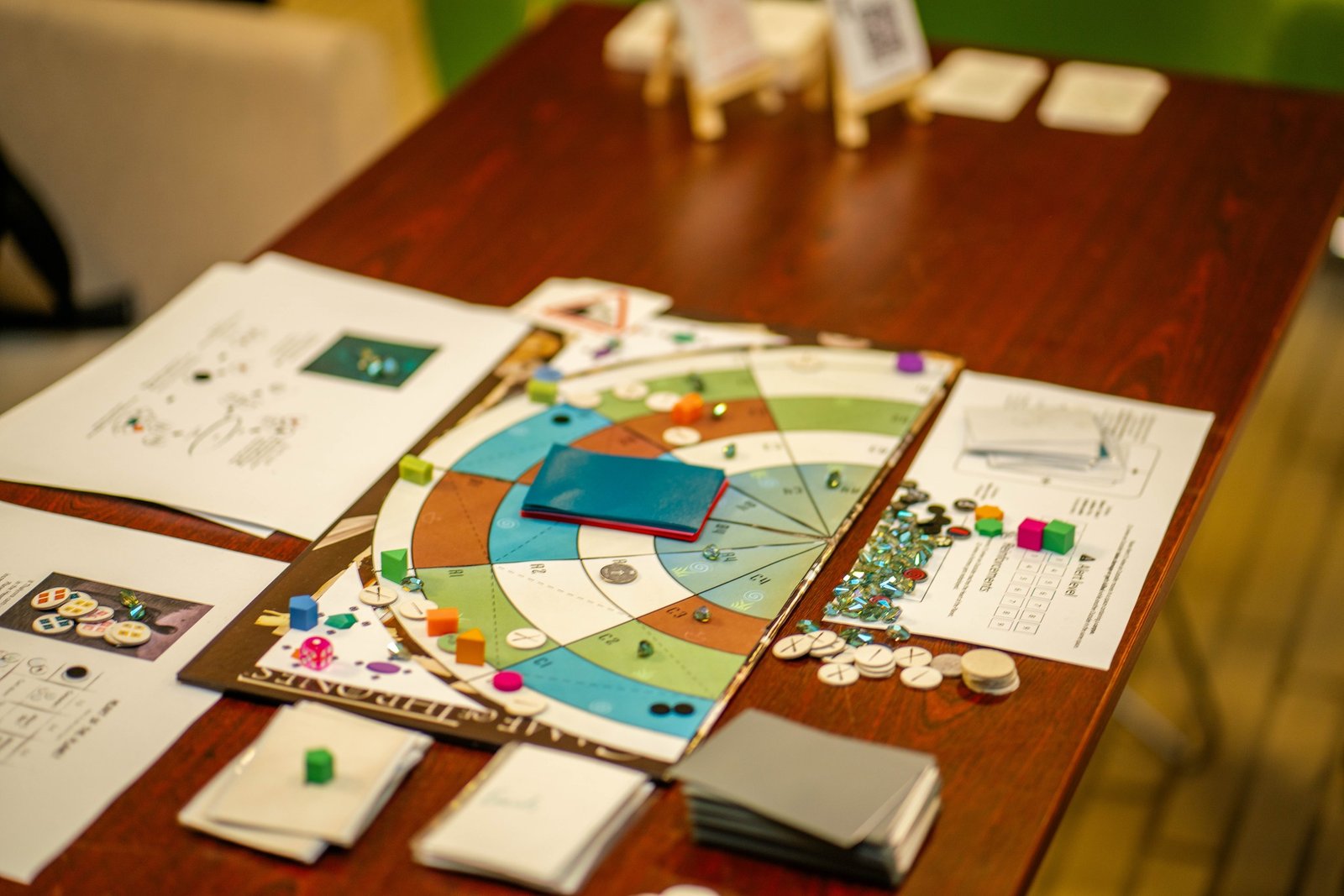
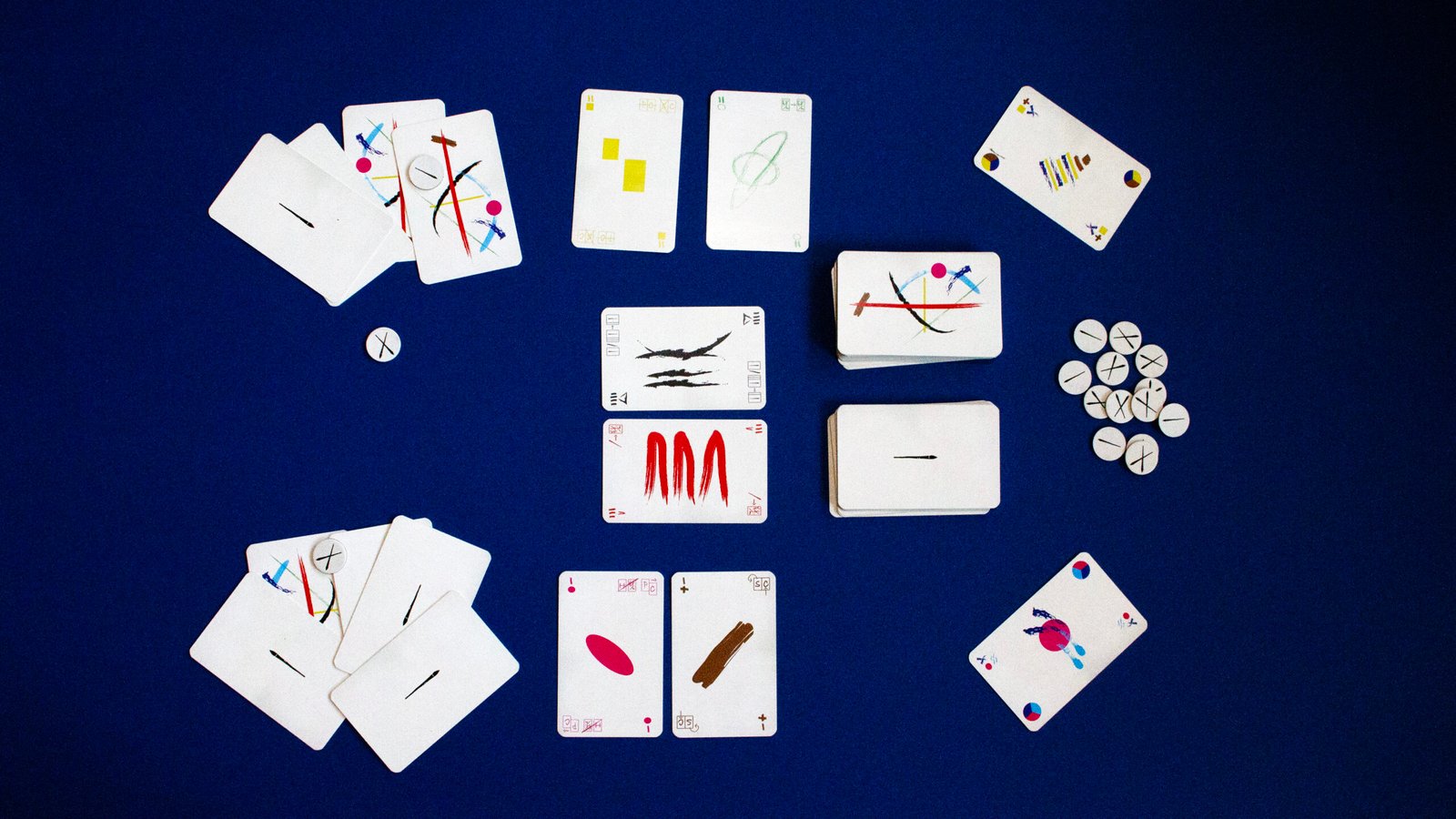
A significant creative and personal chapter has just passed – a time during which, through people’s kindness and my own sweat, I created a board game.
Now that all copies have been sent out and, hopefully, are bringing joy to their players, I can breathe a little easier, reflect, and come back down – or perhaps look for the next mountain to climb.
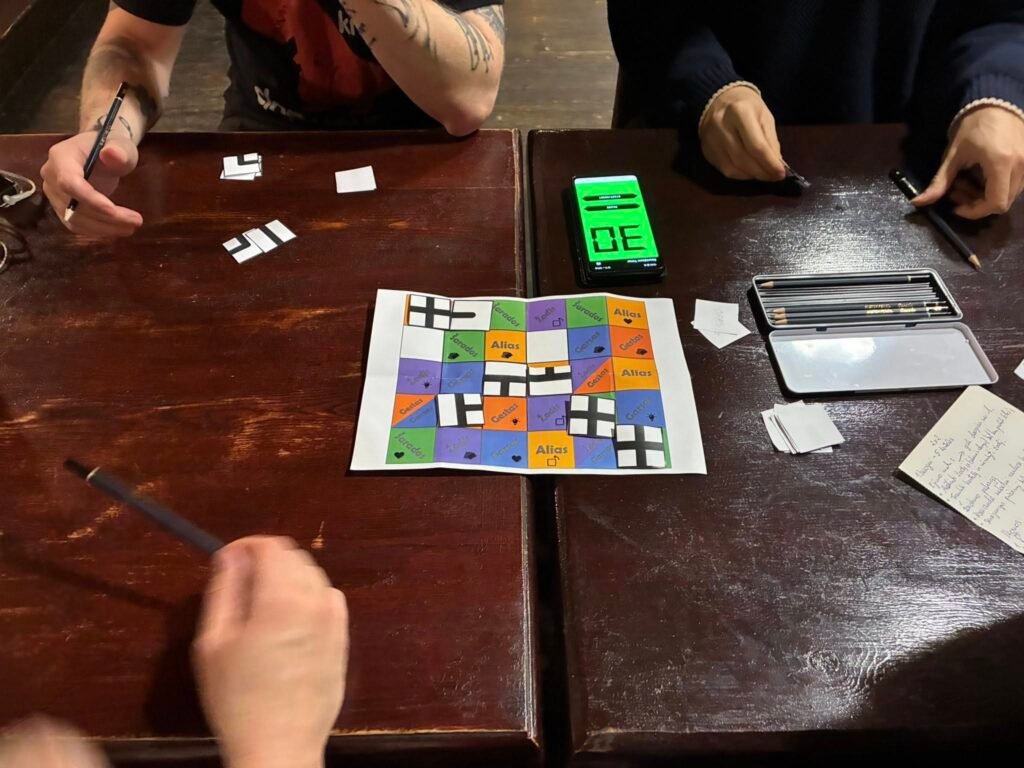
I titled this essay Game as an Art Form because I wish for creativity-no matter the topic, whether it’s a business model, an emotional-intellectual release, a mathematical function, and so on, to be close to artistic expression. What do I mean by that?
I see artistic expression as something personal and refined. Naturally, reaching that level is difficult, which is why, when speaking about art, I turn to the root hidden in the word craft. Simply put, it means work done by hand.
More than once, together with friends or lecturers, we’ve discussed what art is and how it is to be understood, and often, after hours and hours of debate, we’d arrive at the same conclusion: art is anything you are able to give form to.
And in one way or another, each of us can do that – especially in youth. We express emotion through song, beauty through aesthetics, thoughts through text, and so on.
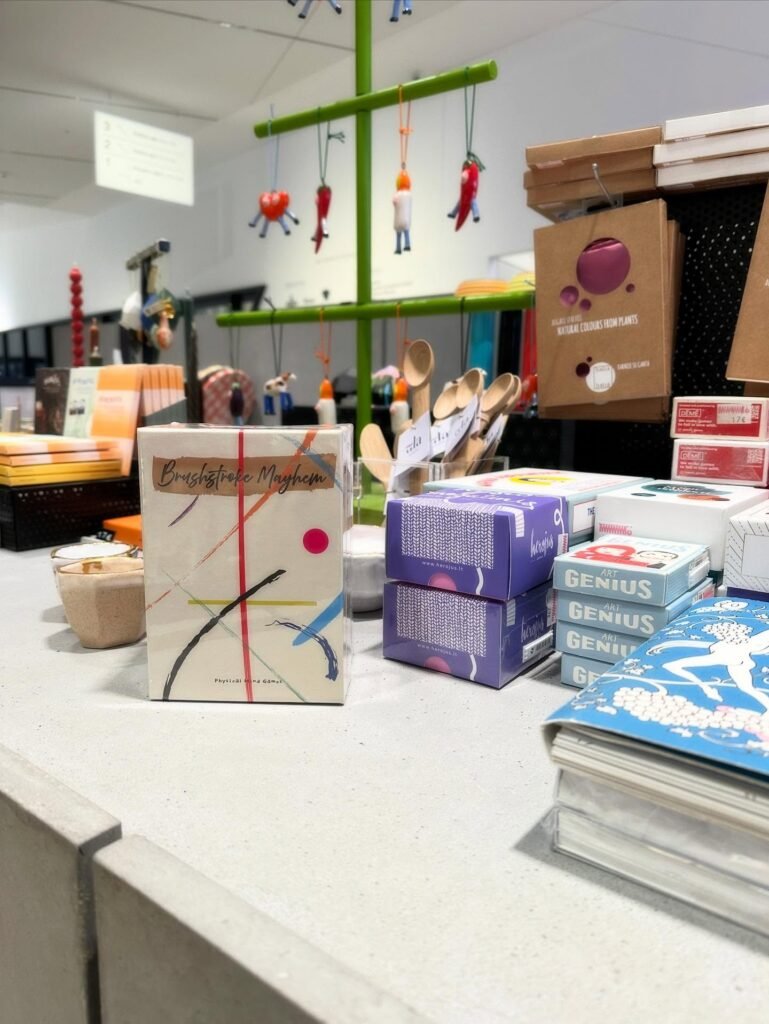
What kind of object does a board game manifest? Whose form does it take?
These questions are not so simple to answer. A game can be seen both as something playful and childlike, and as a vital function — a source of energy and youth.
To know how to play is to know how to change, to accept new conditions, to adapt, to improvise.
To know how to create a game is to know how to direct, to guide, to be aware, and to act with a sense of community.
To play is to both lead and obey at the same time. To move when you should be still, and to freeze when you should strike.
The games of everyday life can be easy, pleasant, and fun. They can also be difficult, confusing, or infuriating.
There are games I cannot beat, and those that simply aren’t for me. Brilliant games. Unfair games. Games you want to repeat.
H. G. Gadamer speaks beautifully about games:
“… the child creates rules for himself, but these rules do not bind the game to any external purpose.”
This means that a game can exist for its own sake. Perhaps to play is to be able not to be practical. Or to be able not to force things into efficiency, purpose, ambition?
I do not know, but this thought leads to authenticity, which I would describe as the ability to create a personal work-its form does not matter.
Have a warm creative December.
Petras Šimonis

Leave a Reply