

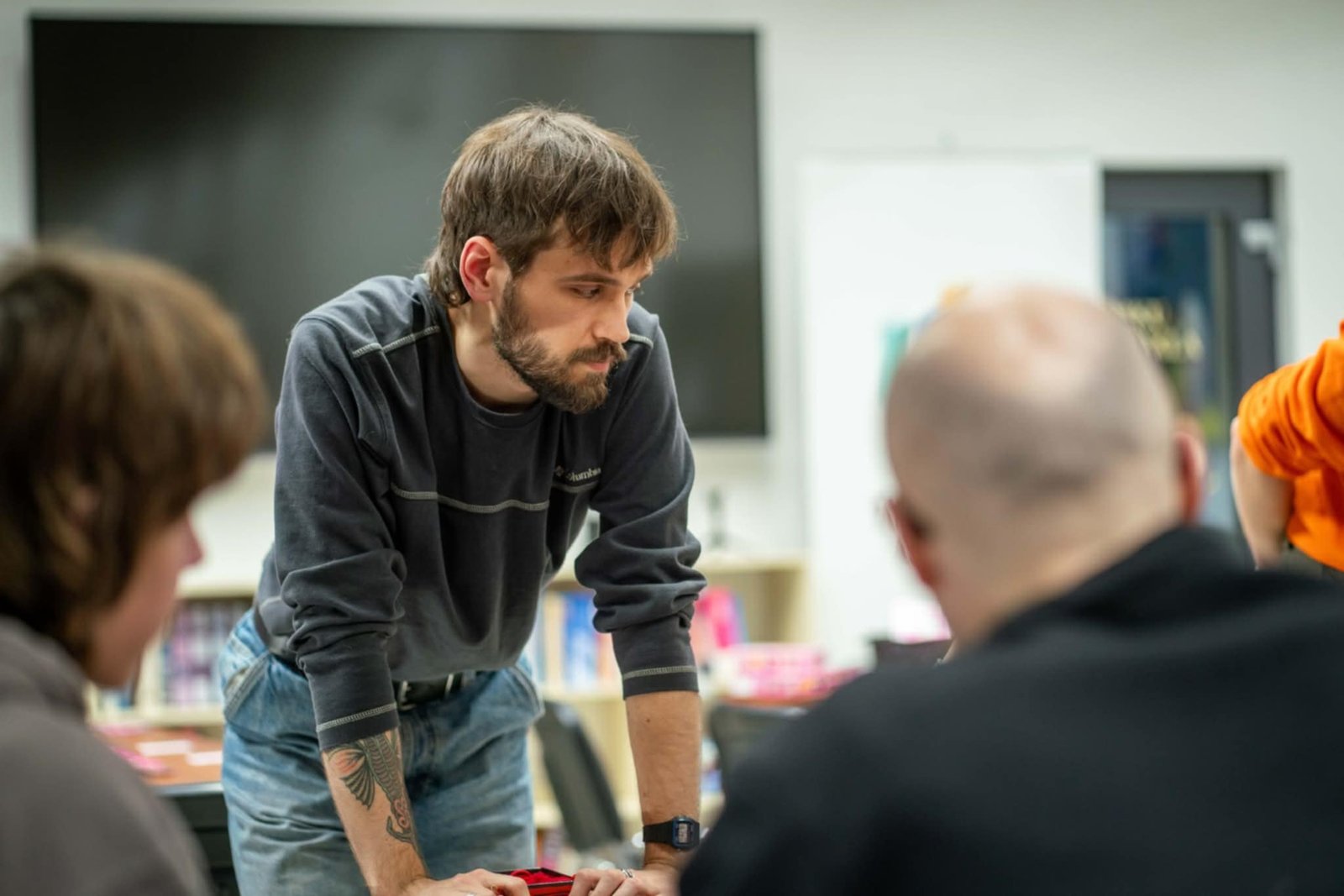
Rokas Juozulynas is a board game designer with a background in graphic design, deeply focused on player experience. His games value atmosphere and emotional resonance, with mechanics that quietly support the theme. I’m glad to know Rokas, as his insights consistently make games easier to understand and more enjoyable. His design knowledge has a rare quality: one clever suggestion is often enough to significantly improve a game’s flow and satisfaction almost immediately.
What brought you into the world of board game design?
As a child, I didn’t play many board games, but I was always creating things – Pokémon-style cards with dragons, or an ongoing 24/7 tabletop war game in my classroom. I always imagined invisible worlds: arranging cards, I would think about their stories, how they worked, and how they were meant to be played.
I only started playing board games seriously while studying at university. One of our assignments was to create a board game. Since I studied graphic design, it didn’t really matter whether the game actually worked – the focus was on how it looked. However, I wanted to challenge myself further. That assignment marked the beginning of my real journey into board games.
After completing it, I had to choose a topic for my bachelor’s thesis. I didn’t want to let go of board games, so I decided to create another one. That’s when I truly got hooked. I think part of the reason is that I can’t program – if I had the patience and skills to learn it, I would probably be making video games instead.
Where do you start when creating a board game?
Almost always with the theme. What I like most about board games is the atmosphere they create and the moments they capture. Mechanics are essential, of course, but presentation is just as important – how the theme connects with the mechanics and how the mechanics reinforce the theme.
Starting with a clear theme and intention gives me a guiding framework for evaluating all mechanical decisions.
Are there things you refuse to do when designing games?
I try to follow one core rule: everyone at the table should have a good time. This includes practical aspects like game length or avoiding situations where players feel cheated, but also how the game portrays people, historical facts, and events.
I clearly remember being offered to design a board game based on Forest of the Gods by Balys Sruoga, which I refused. Board games can very easily trivialize serious events, even unintentionally.
What do people gain by sitting down at your table during events?
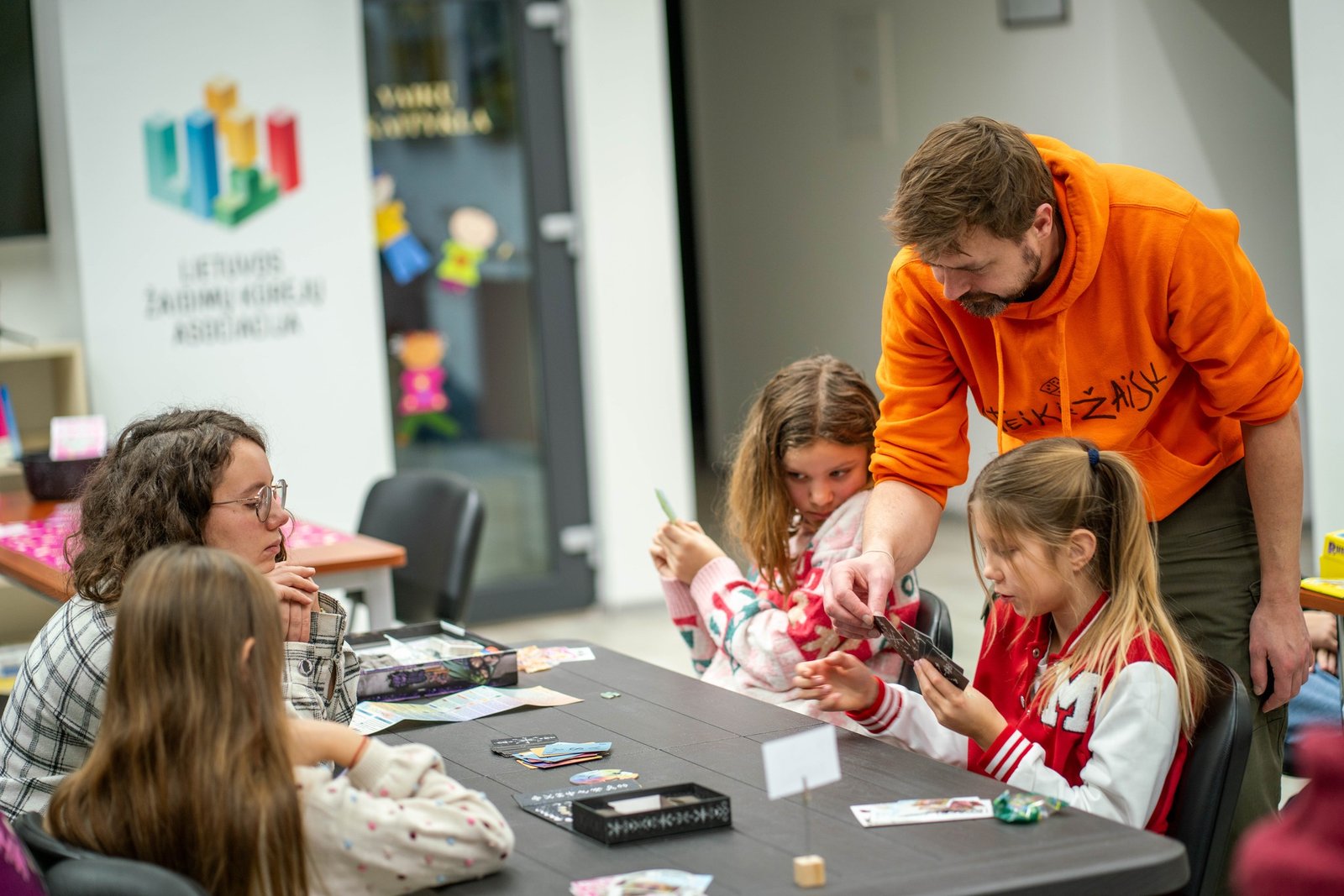
A smile and understanding. Everyone comes with different experiences and expectations, so I try to explain games patiently and gradually, without overwhelming players with all the rules at once.
What did you learn from publishing Laužas on Gamefound?
If I had to name one key lesson: problems are solved faster with a phone call. I’m quite introverted and tend to overthink things, so calling someone – especially when there’s a problem – is difficult for me. But I’ve seen how effective it can be.
As for mistakes, it’s still early to draw final conclusions since the game hasn’t reached my hands yet. However, I can already see a planning mistake. Support from the Lithuanian Council for Culture was extremely helpful, but I miscalculated and promised too much in return for the funding.
Is crowdfunding worth it for board game designers? Absolutely. But it’s important to sit down with yourself beforehand and honestly assess your goals and risks: will you be okay if the project fails? If you lose a certain amount of money?
What is Laužas about?
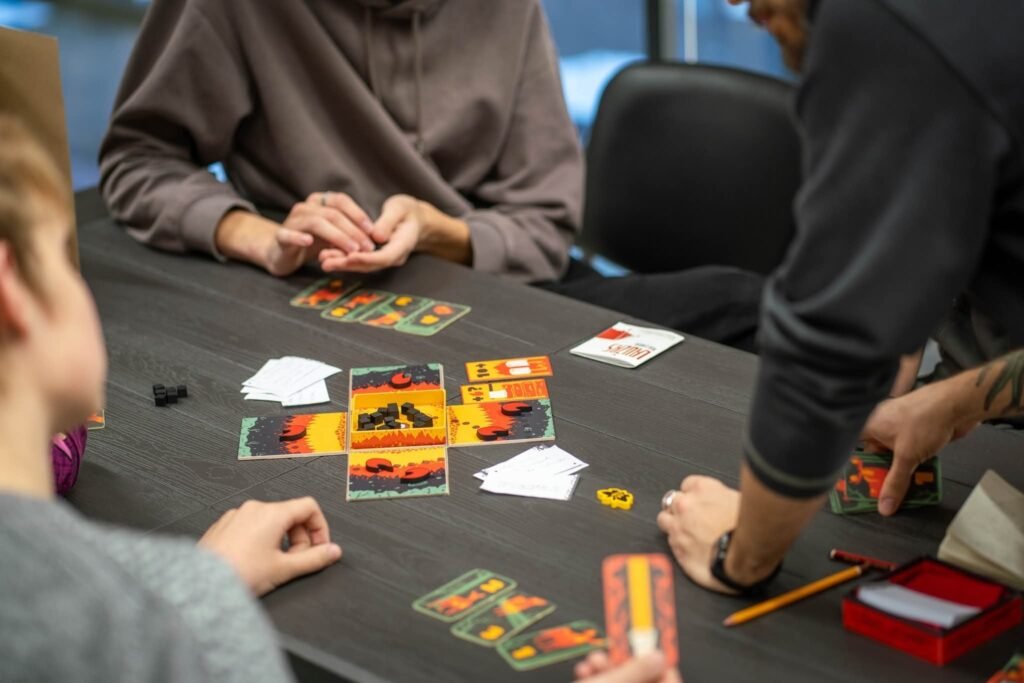
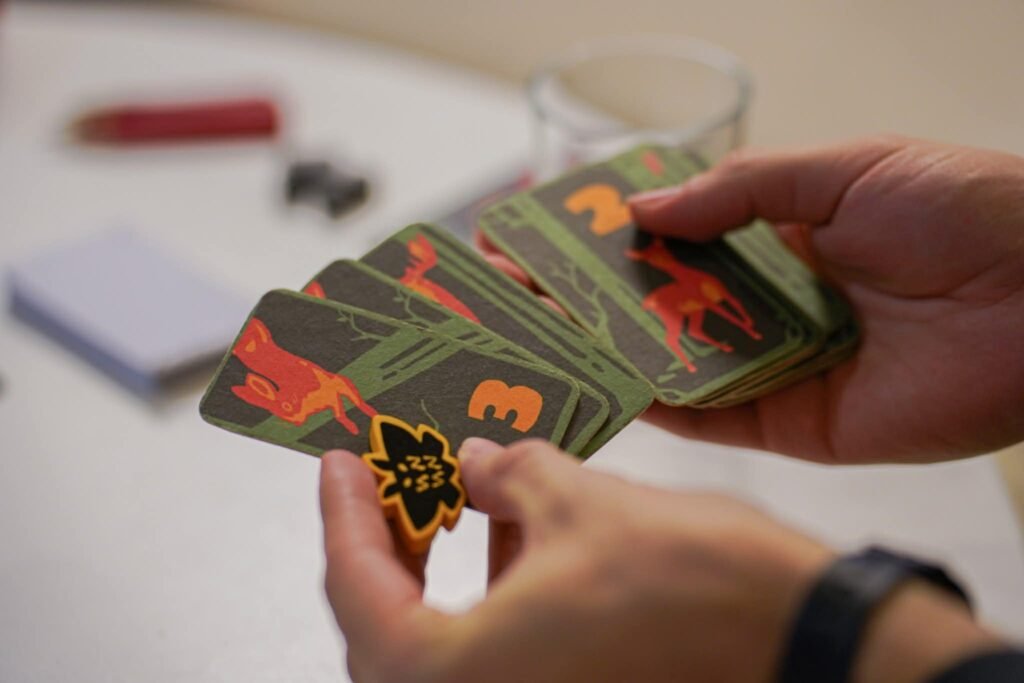
Laužas is a cooperative game for groups of people who enjoy talking and creating together. It’s a cozy board game about anxiety and the humorous situations of everyday life. It’s well-suited for groups of friends or players who don’t want a very demanding game.
What can we expect in the future?
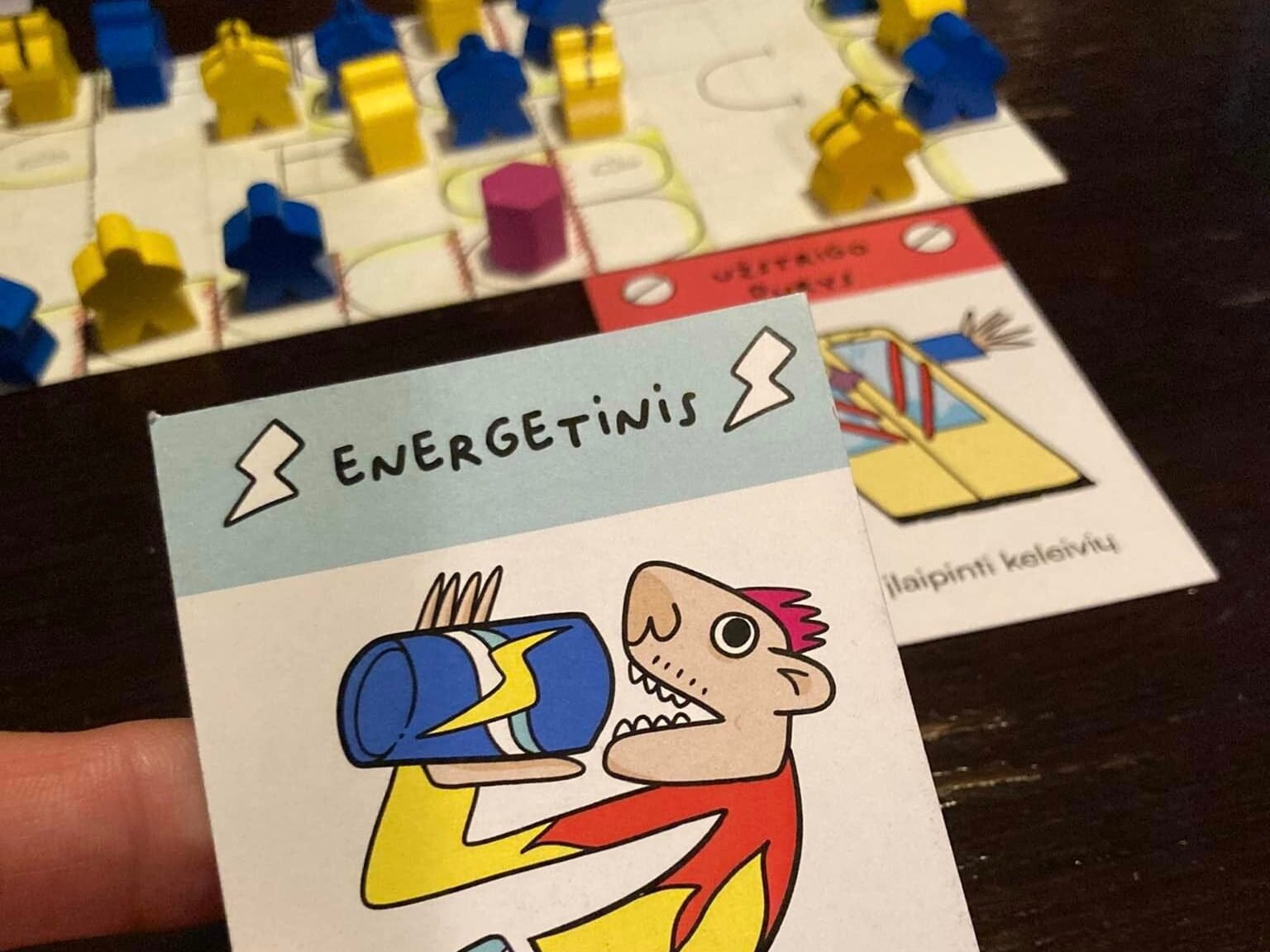
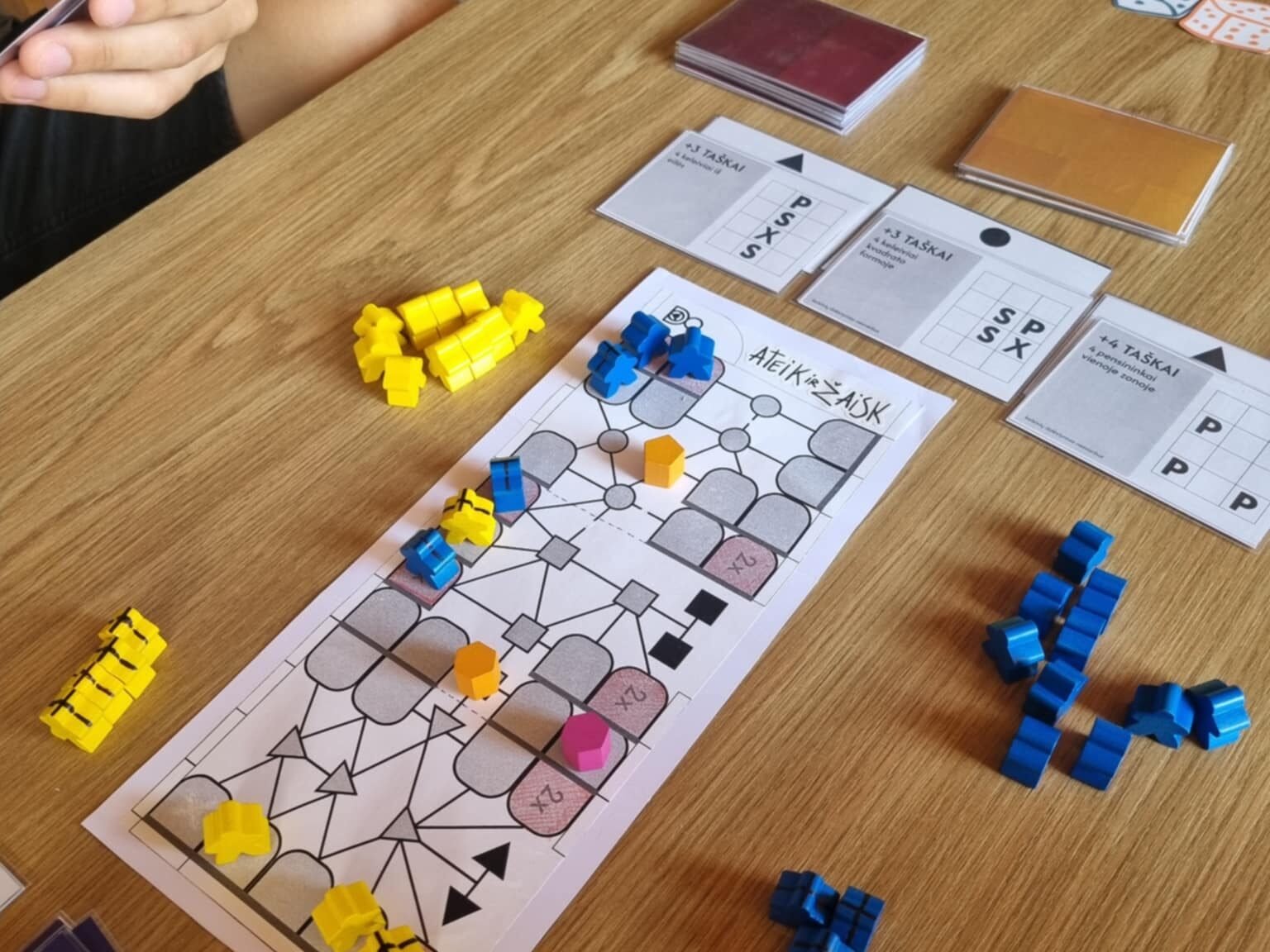
The next target is Trūlas. There are no exact release details yet. It’s a two-player game, more traditional than Laužas, but I believe people will recognize connecting elements. Each player tries to position their passengers as effectively as possible while pushing the opponent’s out. If all goes well, it should become a fun, culturally familiar game about the subtleties of public transport.
If you ever have a chance to sit down with Rokas, take it. Try the games, ask questions, play a round, and see how they feel. If you’re looking for a cozy, conversation-driven game, Laužas is worth your time. It’s a game about everyday worries, shared moments, and finding humor in them. Pick up a copy and see how naturally it brings people together around the table.

You can get to know more designers by reading Field Notes section or simply by trying our games!
Leave a Reply